Source dyed chicken feather showgirl costume for Carnival, Halloween, and Theater
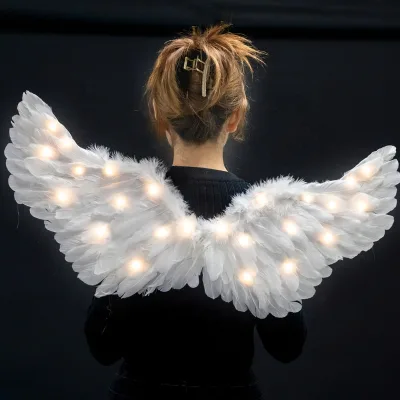
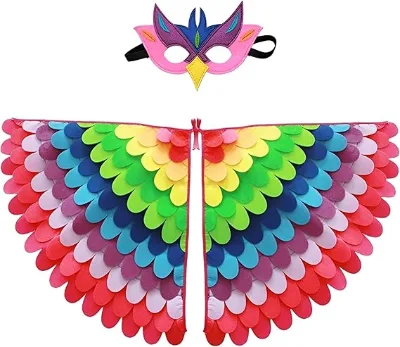
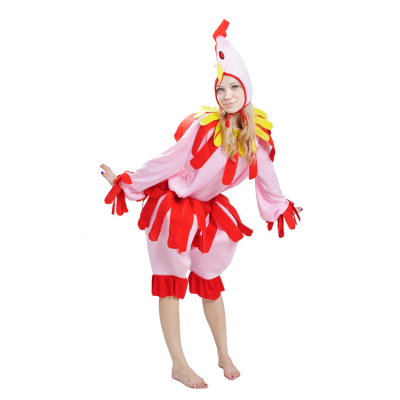
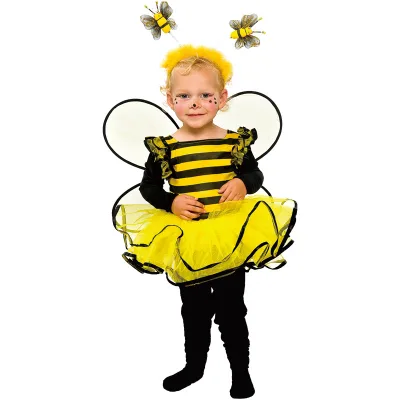
Compare 30 listings for dyed chicken feather showgirl costume options suitable for Carnival, Halloween, and Theater events. Buyers can review materials like polyester and feather, sizes from XS to XXL, and OEM service availability from Guangdong suppliers; compare the available evidence and request quotations based on your requirements.
Key considerations
Products List
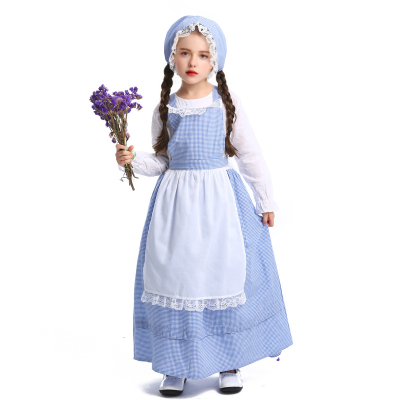
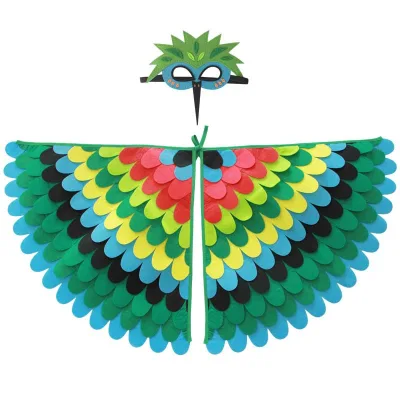
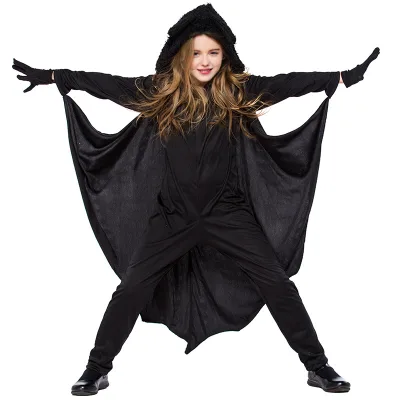
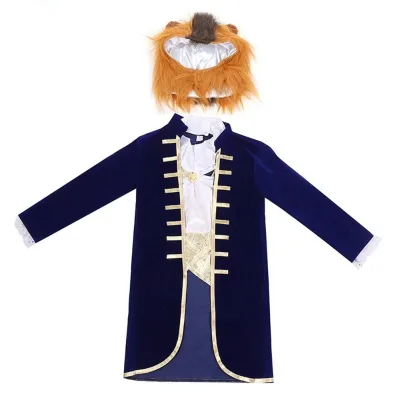
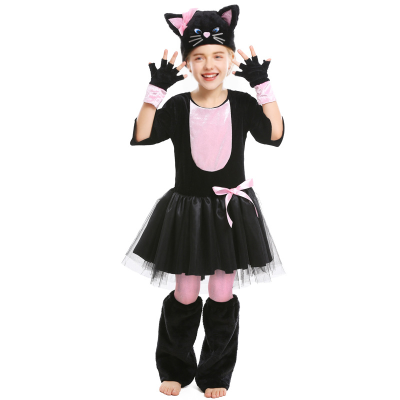
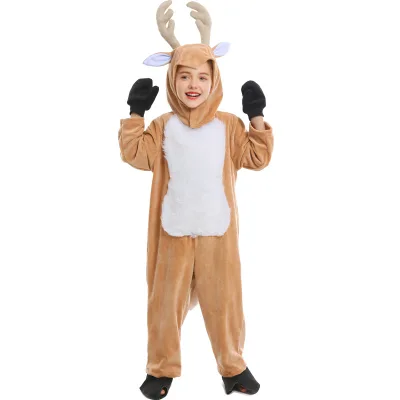
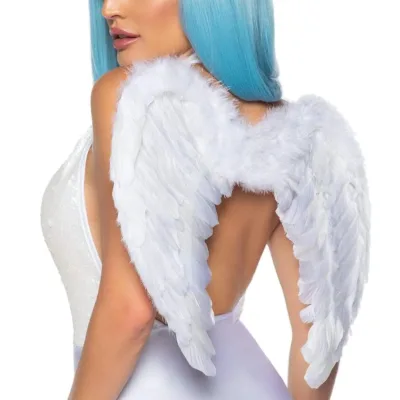
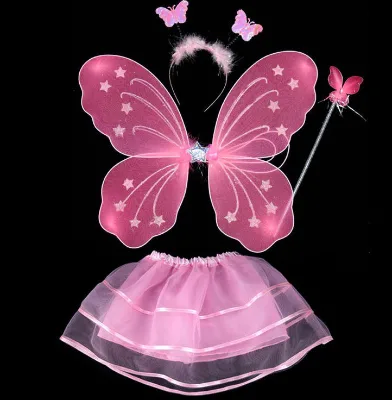






Comprehensive Sourcing Guide
Dyed Chicken Feather Showgirl Costume Sourcing Guide
Sourcing dyed chicken feather showgirl costumes requires a nuanced understanding of both textile manufacturing and decorative embellishment techniques. These garments are typically designed for high-impact visual performances, blending structured tailoring with voluminous, textured feather applications. Buyers must recognize that the aesthetic appeal relies heavily on the quality of the dye process and the durability of the feather attachment methods. Unlike standard apparel, these items demand rigorous inspection of both the base fabric and the ornamental components to ensure they meet stage lighting and movement requirements.
The procurement process involves coordinating with suppliers who specialize in custom costume production, often located in manufacturing hubs with established textile and accessory supply chains. It is critical to distinguish between mass-produced costume pieces and custom-made performance wear, as the latter offers better fit and finish but requires longer lead times. Buyers should focus on suppliers who demonstrate expertise in handling delicate materials like feathers and who can provide consistent color matching across large production runs. This ensures that every performer’s outfit maintains visual uniformity, which is essential for professional stage presentations and televised events.
Product Scope and Observed Listing Signals
Market listings for these costumes often highlight specific material compositions and decorative elements that define their quality and appeal. Observed product attributes frequently include the use of polyester blends for the base garment, providing durability and ease of maintenance, while the feather components are often sourced from natural materials such as dyed chicken feathers. Some listings may also reference alternative materials like synthetic feathers or other animal-derived textures, so buyers must verify the exact composition to align with ethical sourcing policies or performance needs. The visual presentation in product images is a primary indicator of quality, showcasing the density and arrangement of the feathers.
Listing signals also reveal important details about customization options and target demographics. Many suppliers offer OEM services, allowing for bespoke sizing, color variations, and design modifications to suit specific show themes. Attributes such as "unisex" or "girls" gender classifications indicate the versatility of the designs, while occasion tags like "Halloween," "Carnival," or "Cosplay" suggest the intended use cases. Buyers should pay close attention to these signals to ensure the product aligns with their specific event requirements. Additionally, package dimensions and weight information provided in listings can help logistics planners estimate shipping costs and storage needs for bulk orders.
Technical Specifications to Verify
Verifying technical specifications is paramount to ensuring the costume performs well under stage conditions. Buyers must confirm the exact material composition of both the base fabric and the feather attachments. For instance, while some products may use polyester for the main structure, the feather components might be specified as natural dyed chicken feathers or synthetic alternatives. It is essential to request detailed material breakdowns to assess durability, breathability, and weight. The attachment method of the feathers, whether glued, stitched, or woven, significantly impacts the costume's longevity and resistance to shedding during vigorous movement.
Size and fit specifications also require careful verification, as costume sizing can vary significantly between manufacturers. Buyers should obtain detailed measurement charts rather than relying solely on standard size labels like S, M, or L. Custom sizing options are often available, which can provide a better fit for individual performers. Additionally, the weight of the finished garment is a critical factor, as heavy feather applications can cause discomfort or fatigue during long performances. Suppliers should provide single gross weight estimates to help buyers assess the physical burden on the wearer and plan for appropriate support structures if necessary.
Compliance and Safety Documentation
Safety and compliance are non-negotiable aspects of sourcing performance costumes, particularly those involving flammable materials like feathers and synthetic fabrics. Buyers must ensure that all materials used in the costume meet relevant flammability standards for the target market. This includes verifying that the dyes used on the feathers are non-toxic and do not pose health risks to performers, especially in close-contact or children’s performances. Documentation such as material safety data sheets (MSDS) for dyes and finishes should be requested to confirm chemical compliance.
Furthermore, buyers should inquire about any certifications related to animal welfare if natural feathers are used. While some suppliers may use synthetic alternatives to avoid ethical concerns, others may source natural feathers, requiring transparency in the supply chain. It is also important to verify that the costume does not contain small, detachable parts that could pose a choking hazard, especially if the costume is intended for younger performers. Requesting test reports for mechanical and physical safety can provide additional assurance that the costume meets regulatory requirements for public performance wear.
Cost Drivers and Commercial Terms
The cost of dyed chicken feather showgirl costumes is influenced by several key factors, including the complexity of the design, the quantity of feathers used, and the customization level. High-density feather applications and intricate dye patterns increase production time and material costs, leading to higher unit prices. Buyers should also consider the impact of order volume on pricing, as larger orders may benefit from economies of scale but could require higher minimum order quantities (MOQs). Understanding these cost drivers helps in budgeting accurately and negotiating favorable terms with suppliers.
Commercial terms such as lead times, payment conditions, and shipping arrangements also play a significant role in the overall procurement cost. Suppliers may offer sample orders with specific lead times, allowing buyers to evaluate quality before committing to bulk production. It is important to clarify whether these lead times include production, quality control, and shipping. Additionally, buyers should negotiate clear payment terms that protect their interests, such as partial payments upfront and the remainder upon shipment. Understanding these commercial dynamics ensures a smoother transaction and minimizes unexpected costs or delays.
Supplier Qualification and Quality Control
Selecting a qualified supplier is crucial for obtaining high-quality dyed chicken feather showgirl costumes. Buyers should prioritize suppliers with a proven track record in costume manufacturing, particularly those with experience in handling delicate materials and complex designs. Requesting references or case studies from previous clients can provide insights into the supplier’s reliability and consistency. Additionally, verifying the supplier’s production capabilities, such as their ability to handle custom orders and maintain quality control standards, is essential for ensuring that the final product meets expectations.
Quality control processes should be clearly defined and agreed upon before production begins. Buyers should request detailed quality inspection reports that cover both the base garment and the feather embellishments. This includes checking for consistent dye color, secure feather attachment, and overall craftsmanship. Implementing a pre-shipment inspection process can help identify and rectify any defects before the goods are dispatched. Establishing a clear communication channel with the supplier for addressing quality issues ensures that any problems are resolved promptly, minimizing the risk of receiving substandard products.
Long-Term Procurement Checks
Establishing long-term procurement relationships with costume suppliers requires ongoing monitoring and evaluation of performance metrics. Buyers should regularly assess supplier reliability, including their ability to meet deadlines, maintain consistent quality, and respond to issues effectively. Tracking key performance indicators such as on-time delivery rates, defect rates, and customer satisfaction can provide valuable insights into the supplier’s operational efficiency. This data-driven approach helps in making informed decisions about continuing or expanding the partnership.
Additionally, buyers should stay updated on industry trends and regulatory changes that may impact costume sourcing. This includes monitoring advancements in sustainable materials, new safety standards, and evolving design preferences. Engaging in continuous dialogue with suppliers about future needs and potential improvements fosters a collaborative relationship that can lead to better products and services. By maintaining a proactive approach to supplier management, buyers can ensure a steady supply of high-quality dyed chicken feather showgirl costumes that meet the dynamic demands of the performance industry.
FAQs
What materials are used for these animal costumes?
The costumes are primarily made from polyester fabric, with some specific items featuring 50% rabbit hair for added texture and realism. The fairy wings component utilizes genuine feathers to enhance the visual appeal. These material choices ensure durability and comfort for children during extended wear at parties or cosplay events.
Which sizes are available for the costume sets?
Available sizes range from XS to XXL, covering specific combinations like XS, S, M, L, and XL. The product specifications indicate a size range of S-XXL for certain models. Buyers should check the specific model number, such as SW-T052 or SW-T033, to confirm the exact size chart and fit for the intended age group.
Can I get a sample order quickly?
Yes, sample orders are supported with a lead time of just 7 days. This fast turnaround allows buyers to verify quality and design before committing to bulk production. The supplier offers OEM service, ensuring that samples can be customized to meet specific requirements for Halloween parties, carnivals, or other cosplay occasions.
What is the packaging size for a single unit?
The single package size varies by model, typically measuring around 36x27x10 cm or 40x35x10 cm. Some items, like the fairy wings, have a smaller package size of 30x30x3 cm. The single gross weight is approximately 0.400 kg to 0.500 kg, facilitating efficient shipping and handling for international buyers.
Are these costumes suitable for unisex wear?
Yes, the costumes are designed as unisex items, making them versatile for both boys and girls. While some listings specify girls, the general product type is unisex. The animal character designs, such as bats or reindeer, are styled to appeal to a broad audience for Halloween parties, Christmas events, and carnival performances.
What printing methods are used for the designs?
The costumes utilize digital printing methods to apply vibrant colors and detailed patterns. This technique ensures high-quality reproduction of animal features and character types. The digital print allows for precise color matching, including options like black, pink, blue, and white, enhancing the overall aesthetic for cosplay and performance use.